Sun Tunnel Installation
A collector on the roof, a reflective tube through the loft, a diffuser in the ceiling. For the hallway, the landing and the internal bathroom.
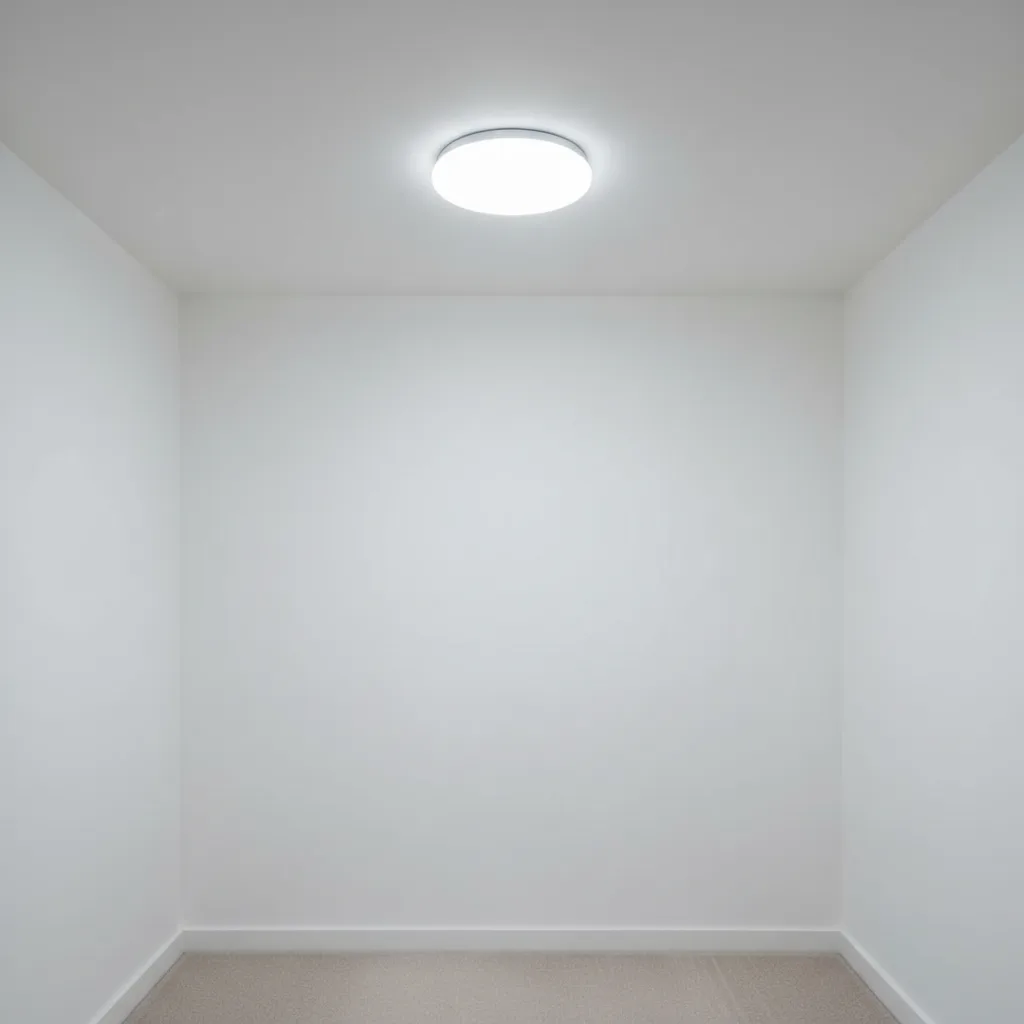
A sun tunnel brings daylight into a room that has no wall left to put a window in. A small collector sits on the roof slope, a reflective tube carries the light down through the loft, and a diffuser in the ceiling spreads it into the room.
It is the right answer for internal hallways, landings, windowless bathrooms and utility rooms, and the wrong answer for anywhere a rooflight would fit. A rooflight gives far more light. The sun tunnel exists for the places a rooflight cannot go.
How much light

Less than people expect from the photographs, and more than enough for the job.
A 250mm tunnel gives roughly the light of a modest ceiling fitting on an overcast day, and a good deal more in sun. A 350mm tunnel gives roughly double that. The comparison worth making is not against a rooflight but against the dark hallway you currently switch a light on to cross at two in the afternoon.
Rigid against flexible

This is the decision that most affects the result.
Rigid tube is a polished aluminium pipe with a very high reflectance, usually above ninety-five per cent. Light bounces down it losing very little. It needs a reasonably straight run and it gives the best output by a wide margin.
Flexible tube is a concertina, and it will route around obstructions a rigid tube cannot. It also has a corrugated inner surface that scatters light at every ridge, so output is significantly lower, and the loss compounds with length.
Our default is rigid, with elbows where the run needs to shift, and flexible only where there is genuinely no straight route. If a supplier proposes a long flexible run, ask what output you are actually getting.
| Rigid tube | Flexible tube | |
|---|---|---|
| Reflectivity | Highest. Very little is lost per metre | Lower. The corrugations scatter light at every bend |
| Practical run length | Longer runs stay worthwhile | Short runs only, before the loss is obvious |
| Bends | Fixed elbows at set angles, planned in advance | Bends anywhere, which is the whole point of it |
| What it needs in the loft | A clear straight line between roof and ceiling | Room to snake past a tank, a purlin or a truss |
| Where it wins | Hallways and landings directly under the roof | Bathrooms and en-suites offset from the roof above |
| Diameter | Chosen from the room area and the run length | Chosen from the room area and the run length |
Run length and bends

Every metre of tube costs some light, and every bend costs more. A short straight drop from a roof slope into the ceiling below performs best. A two storey run down through a house loses a lot, and a run with two or three elbows in it loses more again.
As a rule of thumb, under two metres and reasonably straight is excellent, two to four metres is good, and beyond four metres with bends it is worth having a frank conversation about whether it is worth doing at all.
Condensation

A tube running through a cold loft is a cold surface with warm moist air at the bottom of it, which is a recipe for condensation inside the tunnel. It shows up as droplets on the inside of the diffuser and people reasonably assume the unit leaks.
The fix is detailing rather than a better unit: the tunnel is insulated where it passes through the cold space, and the ceiling collar is sealed so warm air from the room cannot get into the tube in the first place. In a bathroom, where the air is wettest, both matter more.
Bathrooms

A sun tunnel suits an internal bathroom well, and it is one of the most common uses. The diffuser is sealed, so there is no route for steam into the loft provided the collar is detailed properly. It does not provide ventilation, so it does not replace an extractor fan.
Adding a light

Most systems take an optional light kit in the tube, so the same ceiling fitting works after dark. It is much easier to install at the same time as the tunnel than to retrofit later, and it means the ceiling has one aperture rather than two.
Flat roofs

Sun tunnels are made for flat roofs as well as pitched, with a raised collector on a small kerb. The run is usually shorter, because a flat roof is normally directly above the room, so output tends to be good.
What it costs, and what moves it

A sun tunnel is the cheapest way to get daylight into a room, and the price range is narrower than most work we do.
Rigid or flexible. The single biggest factor, and it is not really a choice. See below.
The run length. A short drop from roof to ceiling in a first floor room is a morning. A long run down through a loft and a void to a ground floor ceiling is a different job, needs more tube, and loses light on the way.
Whether the route is clear. Purlins, water tanks, soil pipes, steels and cables all sit in loft space. Where the ideal ceiling position and the ideal roof position do not line up, a rigid tunnel takes a bend, and every bend costs light.
The covering. Slate and plain tile are straightforward. Profiled tiles need the matching flashing profile.
Access. Usually less of an issue than for a roof window, because the roof component is small and the work is mostly from inside.
Rigid against flexible, honestly
Flexible tunnels are cheaper, quicker to fit and available everywhere. We fit them rarely, and we will say why rather than just quoting the rigid price.
A flexible tube is a concertina of reflective foil. Every fold is a surface that scatters light rather than passing it along, and the material reflects perhaps 80 percent per bounce against 98 percent or better for a rigid mirrored tube. Over a three metre run that difference compounds into most of the light.
The practical result is a flexible tunnel delivering something like a third of what a rigid one of the same diameter and length delivers. It is also harder to keep taut, and a sagging tube loses more again.
Rigid costs more and needs a straighter route. Where the route genuinely will not take it, a flexible tunnel is better than nothing, and we will fit one having told you what to expect. What we will not do is fit a flexible tube on a long run and let you find out in November.
Sizing, and what the light is actually like
Diameter matters more than people expect, because light output goes with area rather than width. A 350mm tube passes roughly twice the light of a 250mm one, not forty percent more.
As a rough guide, 250mm suits an internal WC, an ensuite or a small hallway. 350mm suits a landing, a decent bathroom or a small kitchen. 530mm is for a room you actually live in. Two smaller tunnels frequently beat one large one, because two pools of light read as ambient daylight while one reads as a spotlight.
What it is not is a rooflight. There is no view, no ventilation and no sense of sky. What there is, on a dull East Anglian afternoon, is enough soft daylight to walk into a windowless bathroom and not reach for the switch. That is the whole proposition, and for the money it is a good one.
It tracks the day. Bright in the middle, dimmer at each end, and effectively nothing after dusk. Most units take an optional light fitting inside the diffuser so the same ceiling opening does both jobs.
Condensation, and the detail that prevents it
A tunnel is a metal tube passing through a cold loft. Warm moist air from a bathroom meeting a cold tube produces water, and water running down a tube arrives at the diffuser and looks exactly like a leak.
Three details prevent it, and all three get skipped on cheap installations. The tube is insulated where it passes through unheated space. The ceiling ring is sealed airtight so room air cannot get into the tube in the first place. And where the tunnel serves a bathroom, the extract fan needs to be doing its job, because a tunnel does not ventilate.
Where a customer reports water at the diffuser, it is condensation far more often than it is rain.
Period property, conservation areas and listing
A sun tunnel is the least visible daylight option there is. The roof component on a low profile unit sits close to the covering and reads as a rooflight at a fraction of the size, and on a rear slope it is frequently invisible from any public vantage point.
That makes it the answer where a roof window would not be permitted. In a conservation area a rear slope tunnel is often acceptable where a full rooflight is not, and on a listed building it is worth discussing with the conservation officer before assuming the answer is no, because the intervention in historic fabric is small and reversible.
It still needs consent on a listed building. It is not exempt because it is small.
Maintenance, and what eventually fails
Of everything we fit, a sun tunnel asks the least of its owner. There is no sash, no hinge, no actuator and no seal under daily thermal stress.
The roof dome. Clean it when the gutters are done. A dome under a tree collects leaf debris and a film of algae, and because the whole product depends on collecting light, a dirty dome costs output directly in a way a dirty window does not. Rain does most of the work on a pitched roof; a low pitch needs a hand more often.
The flashing. Check it every few years for lifted edges or slipped tiles around it, particularly after a storm. Nothing else on the roof component moves.
The diffuser. The ceiling plate collects dust on its upper face over years. Most twist off for cleaning, and it is a five minute job from a stepladder that visibly improves the light.
Insects. A tube is a sealed system, so anything inside it got in through a gap. Flies collecting in a diffuser means a seal to check rather than an insect problem.
What fails, eventually, is the dome. Polycarbonate yellows and hazes under ultraviolet over fifteen to twenty years, and it is a replaceable part. Glass domes cost more up front and do not degrade, which on a south facing roof is worth the difference.
The mirrored tube itself does not wear out. It is a sealed length of coated metal with nothing to break, and there is no reason a rigid tunnel installed properly should not still be working in thirty years with only the dome having been changed.
From quote to daylight, with no surprises
Fixed quote
A clear, fixed written price, online or by phone.
Survey
A specialist confirms the right glazing spec. Flexible times.
Install
Clean, weather-tight fitting that protects your property.
Guarantee
We tidy up and back the work with a written guarantee.
Frequently asked questions
How much light does a sun tunnel actually give?
A 250mm tunnel gives roughly the light of a modest ceiling fitting on an overcast day and considerably more in sun. A 350mm gives about double. The right comparison is not a rooflight but the dark hallway you currently switch a light on to cross in the afternoon.
Can a sun tunnel go in a bathroom?
Yes, and an internal bathroom is one of the best uses for one. The diffuser is sealed so steam does not reach the loft, provided the ceiling collar is detailed properly. It gives daylight, not ventilation, so it does not replace an extractor fan.
How far can a sun tunnel run?
Under two metres and reasonably straight is excellent. Two to four metres is good. Beyond four metres, especially with bends, output falls enough that it is worth discussing whether it is worth doing. Every bend costs light as well as every metre.
Do sun tunnels cause condensation?
They can, if the tube runs through a cold loft without insulation and the ceiling collar is not sealed. Warm moist air meets a cold tube and condenses inside it, which looks like a leak. Insulating the run and sealing the collar is the fix, and it is detailing rather than a better product.
Can a sun tunnel be fitted to a flat roof?
Yes, with a raised collector on a small kerb. Flat roof installations are often the best performers because the roof is usually directly above the room, so the run is short and straight.
Helpful reading on this
Costs, comparisons and answers to the questions we’re asked most.
Other skylight services
Ready to bring the daylight in?
Tell us about your project and we’ll send a clear, fixed written quote, no pressure, no surprises.
- Fixed written price before any work starts
- No pressure, no obligation, no sales calls
- Flexible survey times that suit you
- A reply within one working day